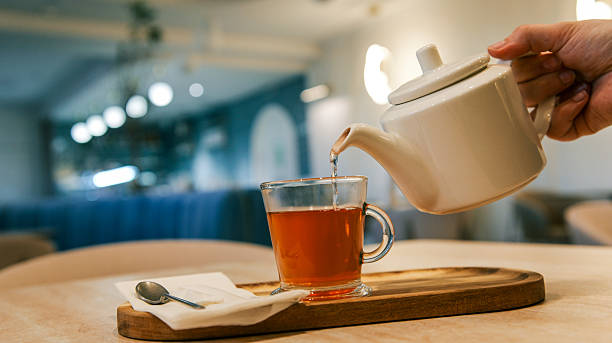
Tea for Calm
Chamomile, lemon balm, and lavender create a soft floral cup suited to quiet evenings and reading breaks.
View calm recipe →
From calming evening cups to bright morning infusions — free recipes and brewing tips for home use. Educational content only; we do not sell products.
Explore Our Series Build Your BlendHerbal teas are not a single category — they span flowers, leaves, roots, seeds, and bark, each with distinct brewing needs.
Unlike traditional tea from the Camellia sinensis plant, herbal infusions (often called tisanes) are typically caffeine-free and rely on volatile aromatic compounds that escape quickly in hot water. Research published in the Journal of Food Science notes that steeping time and water temperature significantly affect the extraction of polyphenols and essential oils from dried plant material. That means a chamomile flower steeped for twelve minutes tastes noticeably different from one steeped for five.
At Motionback.ddd, we focus on practical, repeatable recipes you can adapt at home. Start with filtered or soft water where possible — hard water with high mineral content can mute delicate floral notes. Use a lid while steeping to trap steam and preserve aroma. When trying a new herb, begin with a shorter infusion and extend by thirty-second intervals until the flavour feels balanced rather than bitter.
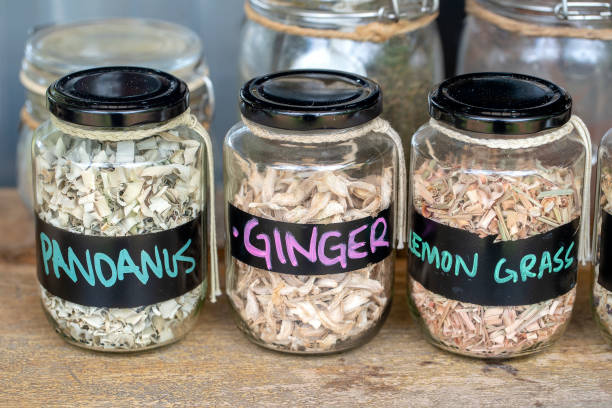
Store dried herbs in airtight containers away from direct sunlight. Whole flowers and leaves generally retain flavour longer than finely crushed material. Label jars with the purchase or harvest date so you know when to refresh your stock — most culinary dried herbs maintain good character for six to twelve months when stored properly.
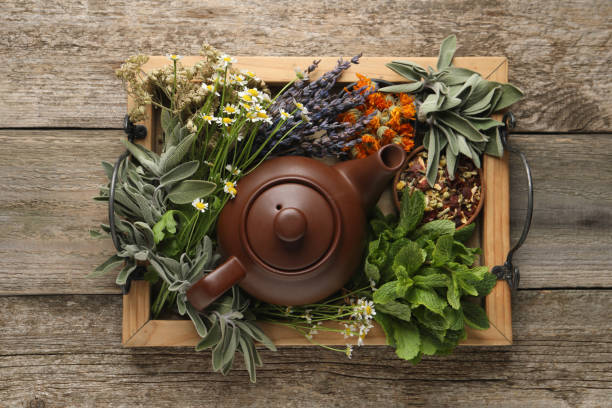
Five focused blends designed around common daily rhythms — each with detailed brewing instructions and ingredient notes.
Chamomile, lemon balm, and lavender create a soft floral cup suited to quiet evenings and reading breaks.
View calm recipe →Ginger, peppermint, and green rooibos offer a lively, warming profile without relying on caffeine.
View energy recipe →Rose petals, hawthorn leaf, and oatstraw combine for a balanced, gently sweet afternoon infusion.
View harmony recipe →Elderflower, echinacea root, and rosehip deliver a tart, earthy cup often enjoyed in autumn and winter months.
View seasonal recipe →Fennel seed, peppermint, and dandelion root form a classic post-dinner blend with a clean, aromatic finish.
View after-meal recipe →Select up to four herbs below and receive a tailored recipe with brewing guidance and flavour notes.
Short, practical notes to help you understand what each plant brings to your cup.
German chamomile (Matricaria chamomilla) is prized for its soft, honey-like floral aroma. Steep at 90°C for 5–7 minutes for a gentle evening cup.
Menthol gives peppermint its familiar cooling sensation and crisp finish. Commonly used in kitchen infusions after meals — 1 tsp per 250 ml water is a standard starting point.
Fresh ginger contains gingerols that convert to zingerone during drying. Slice thinly and simmer briefly for a stronger extraction than a simple infusion.
A member of the mint family with a gentle lemon scent from citral and citronellal. Harvest before flowering for the brightest aroma in home-dried batches.
Indigenous to South Africa, rooibos is naturally low in tannins and rich in aspalathin. It tolerates longer steeping without becoming bitter — ideal for iced infusions.
Root material is denser than aerial parts and benefits from a brief decoction: simmer 5 minutes, then steep covered for 10 minutes off the heat.
Herbal infusions are enjoyed by many households, but they are not suitable for everyone. If you are pregnant, breastfeeding, taking prescribed medicines, or unsure whether a herb is right for you, speak with a qualified UK healthcare professional before use.
People with plant allergies (especially Asteraceae/daisy family) should introduce new herbs carefully. Our content is for general adults interested in home brewing — not personalised advice.
Join our Bradford-area workshops and seasonal tasting sessions throughout 2026.
| Date | Event | Location | Details |
|---|---|---|---|
| 15 Mar 2026 | Spring Herb Identification Walk | Tong, Bradford | Register via contact form |
| 22 Apr 2026 | Evening Calm Blending Workshop | Business Centre, Tong Hall | Calm tea focus |
| 10 Jun 2026 | Summer Iced Infusion Masterclass | Business Centre, Tong Hall | Energy tea focus |
| 14 Sep 2026 | Autumn Roots & Seeds Decoction Day | Tong, Bradford | After-meal tea focus |
| 8 Nov 2026 | Winter Botanical Blending Session | Business Centre, Tong Hall | Seasonal tea focus |
Common questions from visitors exploring herbal infusions for the first time.
Strictly speaking, "tea" refers to beverages made from Camellia sinensis leaves. Herbal "teas" are technically tisanes — infusions of flowers, leaves, roots, or seeds. We use the familiar term "herbal tea" on this site for clarity, but the brewing principles differ: most herbs need fully boiling or just-off-boil water rather than the cooler temperatures preferred for green tea.
Drink fresh infusions within four hours at room temperature or refrigerate for up to twenty-four hours in a sealed container. Reheat gently if preferred, though delicate floral notes are best enjoyed without reheating. Discard any infusion that smells off or appears cloudy beyond normal sediment.
Experienced blenders often work by scent and touch, but measuring — even roughly with teaspoons — keeps results consistent. Our tea constructor uses standard ratios so you can reproduce a blend you enjoy. Keep notes in a simple notebook: herb names, amounts, water volume, temperature, and steep time.
Some mild herbs like chamomile are traditionally offered to children in weak dilutions, but age, weight, and individual sensitivity matter. Parents and guardians should research each herb independently and speak with a paediatric healthcare provider before serving herbal infusions to young children.
A cup, kettle, and fine strainer are enough to begin. A glass teapot helps you observe colour development, while a kitchen scale improves consistency for serious blending. Avoid aluminium vessels with acidic herbs like hibiscus or rosehip, as they can impart a metallic taste.
Who we are, what this site offers, and what we do not provide.
We publish free articles, recipes, and workshop information about brewing herbal infusions at home. Our content focuses on flavour, technique, and kitchen safety — not on treating or preventing health conditions.
We do not sell tea, supplements, medicines, or related goods through this website. We do not process payments or ship physical products. Any herbs mentioned are items you may source independently from retail or specialty suppliers.
We operate from Business Centre, Tong Hall, Tong Ln, Tong, Bradford BD4 0RR, United Kingdom. Contact us by email or phone for recipe questions, workshop bookings, or editorial feedback.
We handle personal data under the UK GDPR and Data Protection Act 2018. We are registered with the ICO. See our Privacy Policy and Cookie Policy.
Our website content and any online advertising, including Google Ads, follow the UK Code of Non-broadcast Advertising (CAP Code). We describe educational recipes only and do not promise health results.
All blends are intended for home culinary use. We do not sell MHRA-licensed medicines, authorised food supplements, or regulated health products through this site.
Getting a satisfying cup depends on three variables working together. Water quality comes first: chlorine and heavy minerals compete with delicate aromatic molecules. If your tap water tastes strongly of chemicals, filter it or use bottled spring water for tasting sessions. Temperature comes second — volatile oils in lavender and chamomile evaporate quickly above 95°C, so letting the kettle rest for sixty seconds after boiling often improves the cup.
Time is the third edge of the triangle. Over-steeping tannin-rich herbs like blackberry leaf creates harshness, while under-steeping dense roots like dandelion leaves a weak, flat impression. A simple kitchen timer removes guesswork. For blends containing both flowers and roots, consider a two-step method: decoct the root portion for five minutes, add flowers, remove from heat, and steep covered for seven more minutes.
Finally, consider vessel material. Stoneware and glass are neutral. Unglazed clay can retain flavours from previous brews — wonderful for dedicated single-herb rituals, less ideal when rotating blends weekly. Rinse equipment with hot water only; scented washing-up liquid residues are a common and overlooked cause of disappointing cups.
Ask Us a Brewing Question