
Seasonal Botanical Tea
Elderflower, echinacea root, and rosehip — a tart, earthy blend often brewed during cooler months for its distinctive flavour.
View RecipeAbout This Blend
This recipe is part of our seasonal series — blends many people in the UK enjoy from autumn through early spring when they want a bolder, fruitier cup than summer florals provide. The focus here is taste and brewing technique, not health outcomes.
Rosehip (Rosa canina) adds a tangy, slightly sour note and deep amber colour. Elderflower (Sambucus nigra) contributes delicate muscat-like aromatics. Echinacea root (Echinacea purpurea) brings earthy depth and requires a short decoction because root material is denser than leaves or flowers.
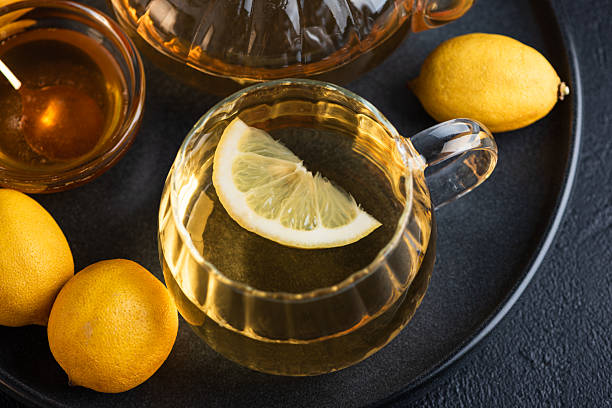
The finished infusion is golden-amber and moderately tart. A small amount of honey after steeping can round the edges if rosehip dominates. For a milder cup, dilute with extra hot water — especially when serving to guests unfamiliar with tart herbal profiles.
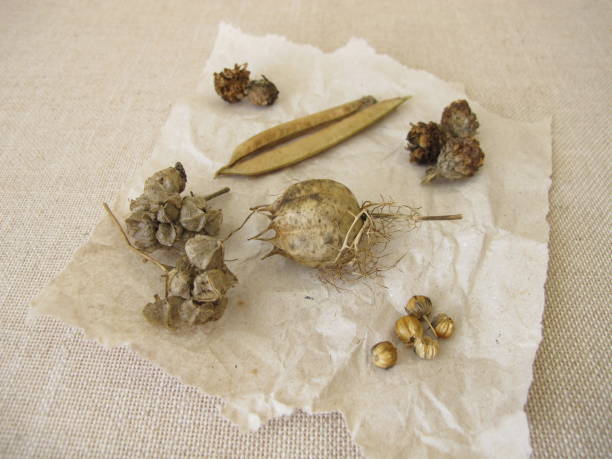
Decoction & Infusion Method
Ingredients (3 servings)
- 1 tsp dried echinacea root, lightly crushed
- 2 tsp dried rosehip pieces
- 1½ tsp dried elderflower
- 750 ml water
- Optional: ½ tsp honey per cup
- Simmer echinacea root in 750 ml water for 8 minutes, covered.
- Add rosehip. Simmer gently 3 more minutes.
- Remove from heat. Stir in elderflower.
- Steep covered 5 minutes off heat.
- Strain thoroughly — rosehip hairs irritate if left in the cup.
When & How to Serve
Many home brewers rotate toward richer, tangier infusions as daylight shortens — not because of any particular benefit, but because the flavour profile pairs well with autumn baking and quiet afternoons indoors. This blend works year-round if you enjoy its character.
Batch-brew a litre in the morning and store in a glass bottle in the refrigerator for up to 48 hours. Reheat gently or serve chilled with a slice of orange. Rotate with Tea for Energy on spice-forward mornings and Tea for Calm on quiet evenings.
Sourcing Quality Ingredients
Buy food-grade dried herbs from suppliers who list species, plant part, and harvest information. Echinacea root tastes noticeably different from aerial parts. Elderflower should be cream-coloured, not brown dust.
Important: never consume raw elder stems, leaves, or unripe berries. This recipe uses dried elderflower from trusted culinary sources only.
Responsible Brewing Information
Some individuals are sensitive to plants in the Asteraceae family and may react to echinacea. If you take prescribed medication or have ongoing health concerns, ask a qualified professional whether culinary herbs are appropriate for you. This educational recipe does not replace professional advice.
Events Calendar
| Date | Event | Link |
|---|---|---|
| 8 Nov 2026 | Winter Botanical Blending Session | Register |
FAQs — Seasonal Botanical Tea
Can I substitute elderberries for elderflower?
Yes — use 1 tsp dried elderberries and extend simmering 5 minutes. The flavour is deeper and less floral. Use cooked elderberries only — never raw.
How often can I brew this blend?
As with any herbal infusion, variety is sensible. Alternate with other recipes from our series and take breaks if you brew herbal drinks daily.
Does heat affect the flavour of rosehip?
Extended boiling can increase tartness. Adding rosehip mid-simmer rather than at a rolling boil often produces a smoother cup.